The shortlist
n8n, Workato and Tray.ai are the first three tools on this shortlist for putting a human approval step into AI agent and LLM-driven workflows. It is written for operations teams deploying AI in business processes who need approval gates, the ability to pause and resume runs, and governance over what agents can do. Microsoft Power Automate, Make, Temporal and Zapier complete the list, each with a different approach to approvals and oversight.
Tool details

#1 · n8n GmbH
n8n
Technical teams adding approval steps to model-driven flows
n8n is a workflow automation platform that combines AI capabilities with business process automation, aimed at technical teams. It offers a visual builder with the option to use code.
Documented strengths
- Human-in-the-loop approvals with structured AI inputs and outputs
- Agent runs can be watched live or inspected after the fact
- Version history records who changed what and when
- Audit logs and log streaming to a SIEM
- Enterprise features include SSO SAML, LDAP, encrypted secrets and RBAC
Documented limits
Documented for technical teams, with 500+ native integrations and API access via HTTP. Teams that need a specific approval channel should check the vendor documentation.
- Who it is for
- Technical teams adding approval steps to model-driven flows
- Platforms
- On-prem, Docker, or hosted version
- Pricing
- See the vendor's own pricing page for current plans and costs. n8n.io
- Facts checked
- 21 November 2026
Why it made the list: It sits first because its pages explicitly list human-in-the-loop approvals and the ability to connect any model and add human approval, alongside live and after-the-fact visibility into agent runs.

#2 · Workato Inc.
Workato
Enterprises that need centralized governance over agent actions
Workato is an enterprise platform that connects apps, data, workflows and AI agents to orchestrate, automate and govern work.
Documented strengths
- Centralized governance over models, agents, workflows, APIs and MCP interactions
- MCP gateway that enforces policy, authentication and observability
- Enterprise Skills as governed, atomic business actions built as recipes
- Agents designed, tested and deployed in a low-code studio
- Audit trails, BYOK and hourly key rotation
Documented limits
Documented for enterprise governance and orchestration. Teams that need an explicit approval or pause-and-resume step should check the vendor documentation.
- Who it is for
- Enterprises that need centralized governance over agent actions
- Platforms
- Elastic runtime with no infrastructure for the customer to manage
- Pricing
- See the vendor's own pricing page for current plans and costs. workato.com
- Facts checked
- 21 November 2026
Why it made the list: It comes second because its documentation centers on governance of agents, workflows and MCP interactions, with policy enforcement and audit trails, though it does not name an approval step on the pages we checked.

#3 · Tray.io
Tray.ai
Teams that want governed agents built in a no-code agent builder
Tray.ai is an AI-native iPaaS for integration, automation, AI agents and MCP governance, plus a governed runtime called Helix for AI-built apps.
Documented strengths
- No-code agent builder for conversational or autonomous agents
- MCP Gateway with managed MCP servers and governed connector tools
- RBAC and audit trails across agent actions, tool calls and workflow runs
- Helix attributes LLM, token and compute spend per app and team with budgets and caps
- Capabilities share connectors, credentials and access control
Documented limits
The official pages describe governance and audit features. Approval steps within agent flows are not stated there, so check the vendor documentation.
- Who it is for
- Teams that want governed agents built in a no-code agent builder
- Platforms
- Managed runtime (Helix) and iPaaS
- Pricing
- See the vendor's own pricing page for current plans and costs. tray.ai
- Facts checked
- 21 November 2026
Why it made the list: It follows Workato because governance such as RBAC and audit trails is documented across agent actions, tool calls and workflow runs, which supports oversight of what agents do.

#4 · Microsoft
Microsoft Power Automate
Microsoft 365 organizations scaling approval-based automation
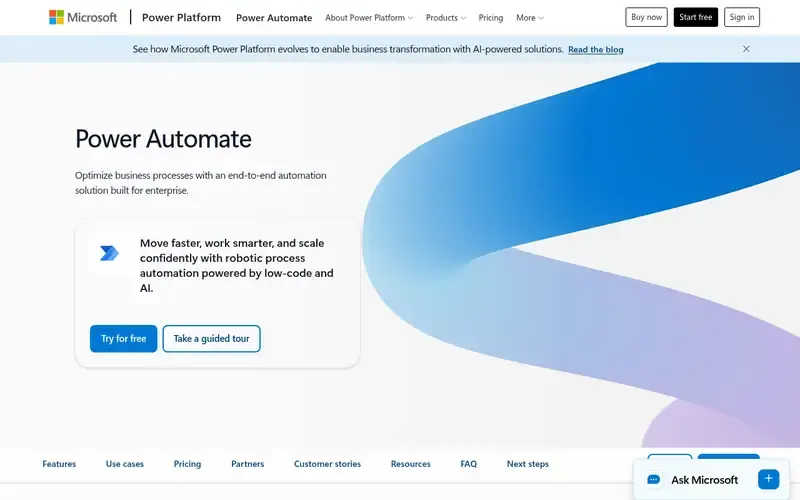
Microsoft Power Automate automates workflows and business processes across apps, systems and websites using AI, digital process automation and robotic process automation.
Documented strengths
- Create and share approval processes
- Over 1,000 API connectors plus custom connectors
- Copilot creates and edits automation in natural language
- Managed Environments and data loss prevention
- Native integration with Microsoft 365 apps
Documented limits
Approval processes are documented in general terms. How they attach to AI agent runs is not detailed on the pages we checked, so check the vendor documentation.
- Who it is for
- Microsoft 365 organizations scaling approval-based automation
- Platforms
- Hosted infrastructure; covers cloud and on-premises apps
- Pricing
- See the vendor's own pricing page for current plans and costs. microsoft.com
- Facts checked
- 21 November 2026
Why it made the list: It sits fourth because its pages state that users can create and share approval processes, backed by built-in security, governance and monitoring.

#5 · Celonis (Make)
Make
Business teams that want a visual view of running automations
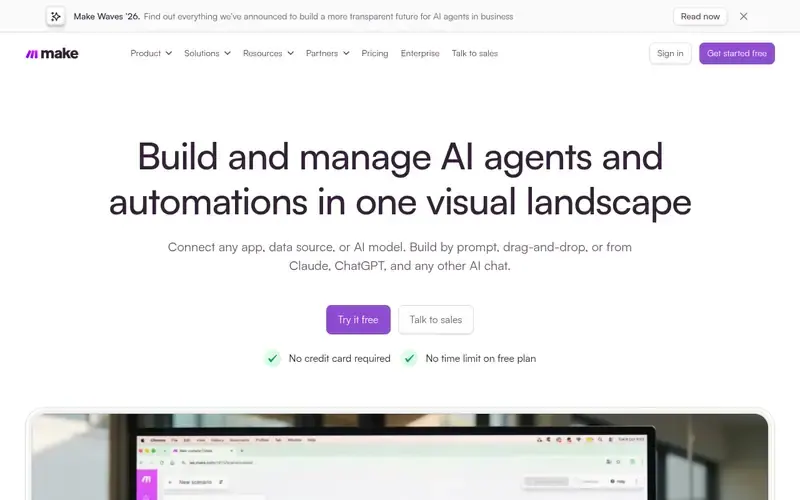
Make is a visual AI automation platform for building workflows and AI agents that connect to apps and data.
Documented strengths
- Make AI Agents given a goal and tools to determine steps
- AI Workflows where the user defines the path
- Error handlers, automatic retries, exception routing and execution history
- Make Grid with ownership, status and audit history
- Role-based access, audit logs and analytics
Documented limits
The official pages do not describe a dedicated approval step. Teams that need one should check the vendor documentation.
- Who it is for
- Business teams that want a visual view of running automations
- Platforms
- Hosted; does not depend on self-hosting
- Pricing
- See the vendor's own pricing page for current plans and costs. make.com
- Facts checked
- 21 November 2026
Why it made the list: It comes fifth because it documents oversight tools such as execution history, error handlers and Make Grid, and offers AI Workflows where the user defines the path and AI handles decisions.

#6 · Temporal Technologies
Temporal
Developers building long-running flows that pause for people
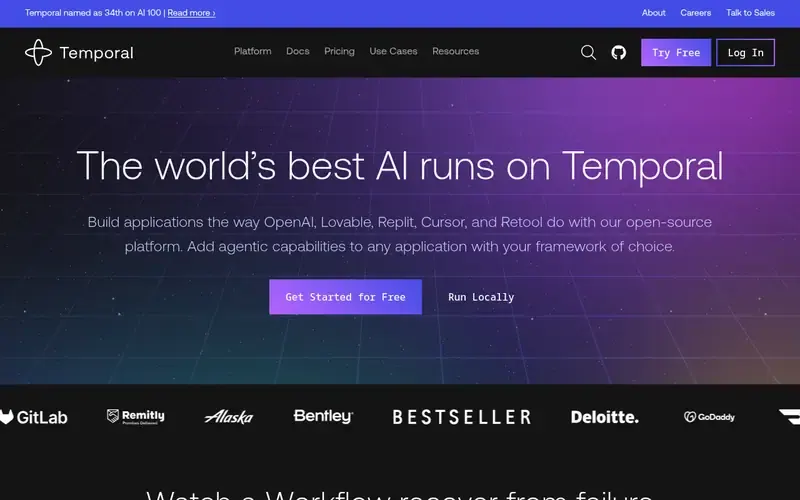
Temporal is an open-source durable execution platform for writing business logic as code in Workflows that automatically recover from failure.
Documented strengths
- Workflows incorporate human interactions and external sources
- Signals and timers that can wait days, weeks or months and survive restarts
- Workflow executions can be inspected, replayed and rewound step by step
- Native SDKs for Go, Java, TypeScript, Python and .NET
- Data Converter for client-side encryption
Documented limits
Documented as a code-first platform for developers. Teams without engineers who want a visual approval builder should check the vendor documentation.
- Who it is for
- Developers building long-running flows that pause for people
- Platforms
- Self-hosted open source or Temporal Cloud; local dev server via CLI on macOS, Windows and Linux
- Pricing
- See the vendor's own pricing page for current plans and costs. temporal.io
- Facts checked
- 21 November 2026
Why it made the list: It sits sixth because it documents the underlying mechanics for waiting on a person, including signals, timers and Workflows that incorporate human interactions, but it requires writing code.

#7 · Zapier Inc.
Zapier
Business teams with IT oversight across many apps
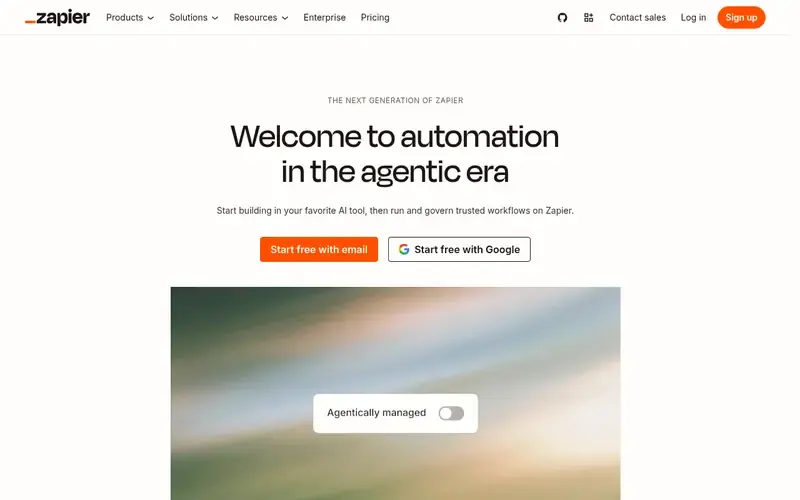
Zapier is an AI orchestration platform for building and running automated workflows and agents across thousands of apps.
Documented strengths
- Admins can set access controls at the app, action and connection level
- Governance features include BYOM, AI Guardrails, Action Restrictions and Managed Connections
- Visibility into agent actions and workflow runs, including owners and systems involved
- Each Zap has an AI manager agent that detects and fixes issues
- 9,000+ apps
Documented limits
Documented for governance and visibility. A human approval step is not named on the pages we checked, so teams that need one should check the vendor documentation.
- Who it is for
- Business teams with IT oversight across many apps
- Platforms
- Not stated on official pages
- Pricing
- See the vendor's own pricing page for current plans and costs. zapier.com
- Facts checked
- 21 November 2026
Why it made the list: It closes the list because its pages emphasize controls and visibility around agent actions, such as access controls and Action Restrictions, rather than a named approval step.
Side-by-side comparison
| Tool | Who it is for | Platforms | Pricing |
|---|---|---|---|
| n8nn8n GmbH | Technical teams adding approval steps to model-driven flows | On-prem, Docker, or hosted version | Pricing on n8n.io |
| WorkatoWorkato Inc. | Enterprises that need centralized governance over agent actions | Elastic runtime with no infrastructure for the customer to manage | Pricing on workato.com |
| Tray.aiTray.io | Teams that want governed agents built in a no-code agent builder | Managed runtime (Helix) and iPaaS | Pricing on tray.ai |
| Microsoft Power AutomateMicrosoft | Microsoft 365 organizations scaling approval-based automation | Hosted infrastructure; covers cloud and on-premises apps | Pricing on microsoft.com |
| MakeCelonis (Make) | Business teams that want a visual view of running automations | Hosted; does not depend on self-hosting | Pricing on make.com |
| TemporalTemporal Technologies | Developers building long-running flows that pause for people | Self-hosted open source or Temporal Cloud; local dev server via CLI on macOS, Windows and Linux | Pricing on temporal.io |
| ZapierZapier Inc. | Business teams with IT oversight across many apps | Not stated on official pages | Pricing on zapier.com |
Choose by need
- n8n if you need technical teams adding approval steps to model-driven flows.
- Workato if you need enterprises that need centralized governance over agent actions.
- Tray.ai if you need teams that want governed agents built in a no-code agent builder.
- Microsoft Power Automate if you need microsoft 365 organizations scaling approval-based automation.
- Make if you need business teams that want a visual view of running automations.
- Temporal if you need developers building long-running flows that pause for people.
How this guide was built
We compared each tool on how directly its official pages describe approval gates, pausing and resuming runs, and governance around agent actions, along with the documented capabilities and the deployment options behind them. Tools that name human approval or human interaction explicitly sit earlier, followed by tools whose documentation emphasizes governance and oversight of agent actions. The order reflects editorial fit for this use case, explained in each entry, and is not a statement that one tool is better overall.
All facts come from official vendor pages, and we note the date each page was checked. We state nothing the vendor has not published, and where a page does not mention approvals we say so and point to the vendor documentation. This list is built from documentation rather than product trials, and pricing is left to each vendor's pricing page.
Order used: Ordered by how directly the product supports approval gates, pausing and resuming runs, and governance around agent actions.
Common questions
Which workflow tool explicitly supports human approval in AI workflows?
n8n's pages list human-in-the-loop approvals and say users can connect any model and add human approval. Activepieces is not in this list, but Microsoft Power Automate also states that users can create and share approval processes.
Can a workflow pause for days while waiting for a person to respond?
Temporal documents timers that can wait days, weeks or months and survive outages or restarts, and Workflows that can incorporate human interactions. It is a code-first platform, so it suits developer teams.
How can I see what an AI agent did in a workflow run?
n8n says agent runs can be watched live or inspected afterward. Zapier provides visibility into agent actions and workflow runs, and Make Grid gives a live view of running automations with ownership, status and audit history.
Which tools offer governance over agent access to enterprise systems?
Workato documents centralized governance and an MCP gateway that enforces policy, authentication and observability. Tray.ai documents RBAC and audit trails across agent actions, tool calls and workflow runs.
Can I run these tools on my own infrastructure?
n8n can be deployed on-prem or with Docker, and Temporal can be self-hosted as open source or run as Temporal Cloud. Make's pages state it does not depend on self-hosting, and Workato describes an elastic runtime with no infrastructure for the customer to manage.
Sources
- n8n: n8n.io (21 Nov 2026)
- Workato: workato.com, workato.com/why, workato.com/about_us (21 Nov 2026)
- Tray.ai: tray.ai, tray.ai/platform, tray.ai/solutions (21 Nov 2026)
- Microsoft Power Automate: microsoft.com/en-us/power-platform/products/power-automate, microsoft.com/en-us/about (21 Nov 2026)
- Make: make.com, make.com/about, make.com/product (21 Nov 2026)
- Temporal: temporal.io, temporal.io/about, temporal.io/product (21 Nov 2026)
- Zapier: zapier.com, zapier.com/solutions/hr, zapier.com/solutions/it (21 Nov 2026)
Related guides
- Top 6 integration platforms for enterprises connecting ERP, CRM and APIs
- Top 6 workflow automation tools for teams that need open-source control over their data
- Top 5 integration tools for syncing e-commerce orders with ERP and finance systems
- Top 6 automation tools for personal productivity and home automation
- More in Workflow automation
The editorial order is unpaid. A vendor may buy one labelled featured slot in a guide, but payment never alters another entry or removes a competitor. Featured entries get the same fact check. Logicwick is independent. Product names and trademarks belong to their respective owners.